
Tianjin Tianshi College Becomes a Front-Runner in the AI Era
November 20, 2026—International think tanks, academia, industry and business leaders converged on Tianjin Tianshi College, opening a new era of technology empowerment in the AI age. On that day, the College’s“AI Era, Technology Empowerment, Winning at the Graduation Line”themed event took place in the campus auditorium. Peng Dan, President of the Institute of International Economic Strategy and Co-Chair of the UN Global Filial Piety Committee; Li Su, Executive President of the United Nations Institute for Sustainable Development; and Li Jinyuan, Chairman of the Board of TIENS Group and Founder and Chairman of the Council of Tianjin Tianshi College, together with experts and scholars from business, academia and industry, joined more than 270 participants in putting one very real question on the table: when AI rewrites the map of careers, who defines the“employable capabilities”of the future?
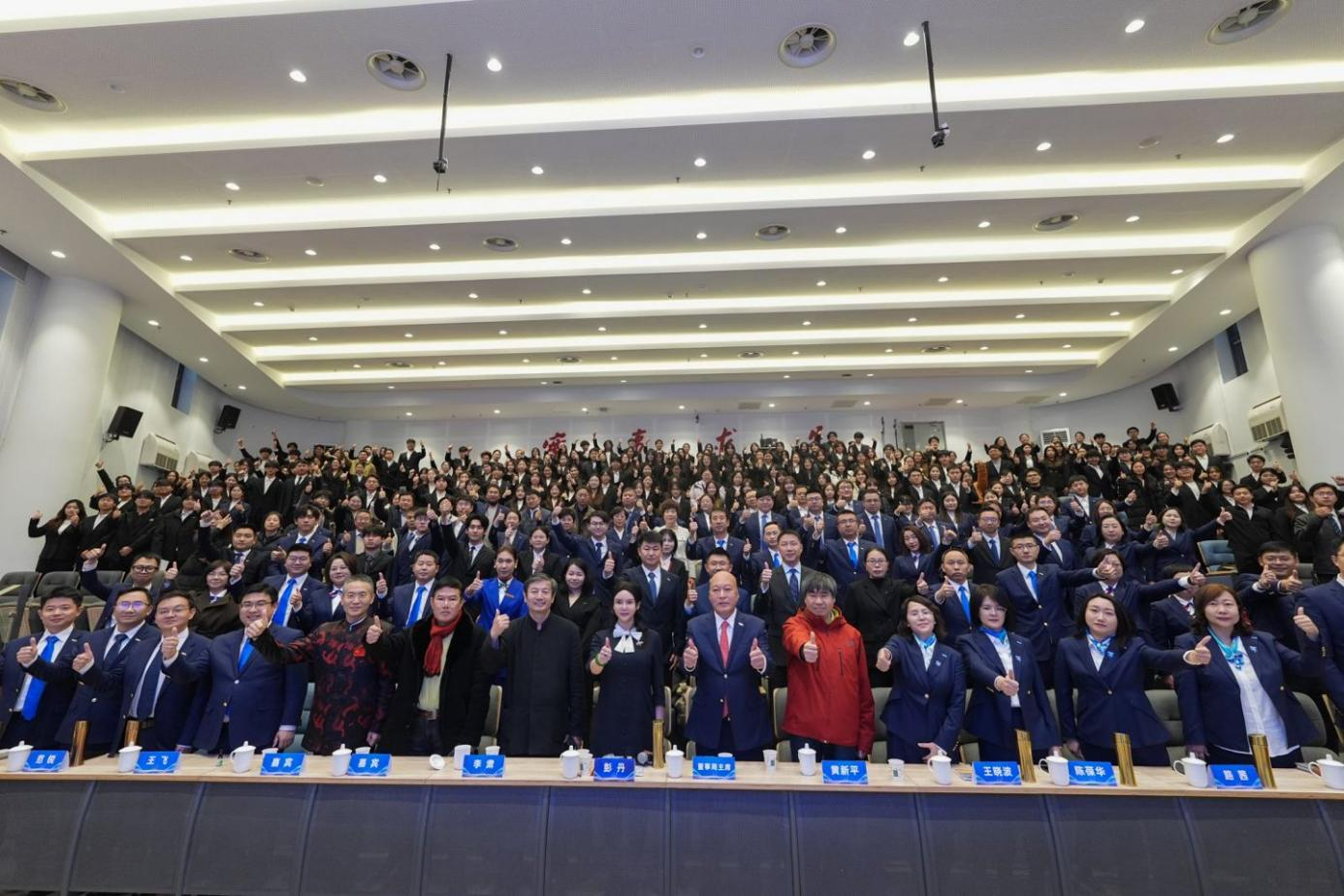
△The “AI Era, Technology Empowerment, Winning at the Graduation Line” themed event on site
Youth on the Global Compass: The Hardest Capability to Replace
At the start of the event, President Peng Dan delivered a keynote speech themed“Wisdom Inspires Youth·AI Builds Dreams.”She noted that the World Economic Forum’s Future of Jobs Report 2025 projects that by 2030 the world will add 170 million new jobs while 92 million will be displaced, and that over the next five years about 39% of workers’existing skills will be reshaped or become obsolete. The work that technology takes over first is precisely the kind with clear rules, repeatable steps and stable boundaries—and in the past, those were the first rung of the ladder for new graduates entering the workplace.
President Peng stressed that, against a backdrop in which globalization and digitalization are intertwined, two trends will unfold at the same time. First, AI is rearranging the global talent structure and the map of jobs: standardized, repeatable work is being replaced at accelerating speed, while judgment, creativity and the ability to integrate across disciplines become scarce resources. Second, the thresholds and modes of international exchange are changing in step: cross-cultural understanding is no longer a bonus for a select few, but is becoming an essential competence for young people to stand their ground in any market.
Youth’s growth path is thus re-measured on a global compass. Three choices lie before the students: to see only local opportunities, or to see global demand; to prepare a single skill, or to prepare a set of capabilities they can carry with them; to complete graduation once, or to treat learning as a process that lasts a lifetime. The answers will not be revealed at the graduation ceremony, but will keep developing in the many years after leaving campus.
President Peng left the young people present with three keywords: learning capacity, international perspective and the power to act. Knowledge once acquired expires; the ability to learn does not. The opportunities at hand are limited; the breadth of one’s vision determines the range of one’s choices. Ideas, however many, carry weight only when they are turned into action. This view echoes Tianjin Tianshi College’s tradition of internationalized education and offers a reference for the path of“growing up on a Chinese campus, developing toward the world”: going global is not the romance of a single journey, but a set of capabilities that can be trained, tested and used. She concluded: every technological revolution is ultimately written into human history, and young people are precisely the pioneers, practitioners and dream-builders of this AI wave.
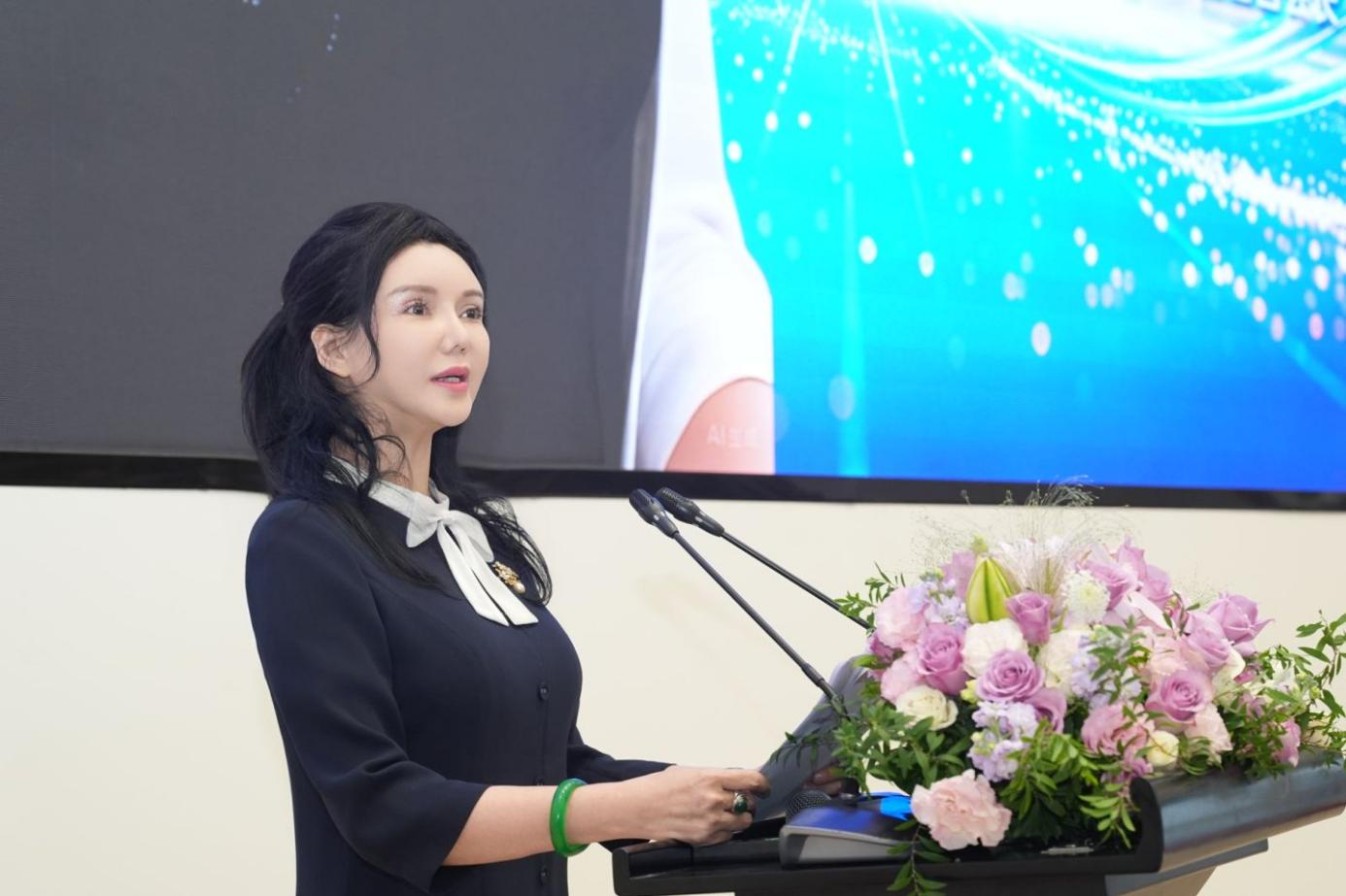
△President of the Institute of International Economic Strategy, Co-Chair of the UN Global Filial Piety Committee, Honorary President of the Council of the China Health Poverty Alleviation Project and Honorary Chairman of the US Guangdong–Hong Kong–Macao Greater Bay Area General Chamber of Commerce, Ms. Peng Dan, delivers the keynote speech
Li Su, Executive President of the United Nations Institute for Sustainable Development, said:“It is a great honour to be invited to a themed forum of such practical relevance. The faster AI tools iterate, the more precious human judgment becomes.”In his view, the dividing line in technology empowerment is not whether one can use the tools, but whether one uses them well and for whom.
He went on:“To judge whether a place has a future, look not at how many machines it has, but at how it treats people and how it helps them succeed. What I see at Tianjin Tianshi College is precisely the soil in which capability and technology take root and grow. A school can truly cultivate people, and an enterprise can truly open up a stage—the talent that has come out of Tianjin Tianshi College in recent years is not simply people who understand technology, but people with the capacity to endure through cycles, able to stand firm and go far wherever they are. Looking at the world, the excellent educational conditions that Tianjin Tianshi College enjoys would not be possible without the sustained investment and strong support of TIENS Group year after year, which has enabled it to cultivate one outstanding cohort of students after another. This achievement is rooted in the 34 years of unwavering dedication and commitment of TIENS Group and Mr. Li Jinyuan, and I believe Tianjin Tianshi College is fully positioned to become an exemplar of global university education in the AI era.”
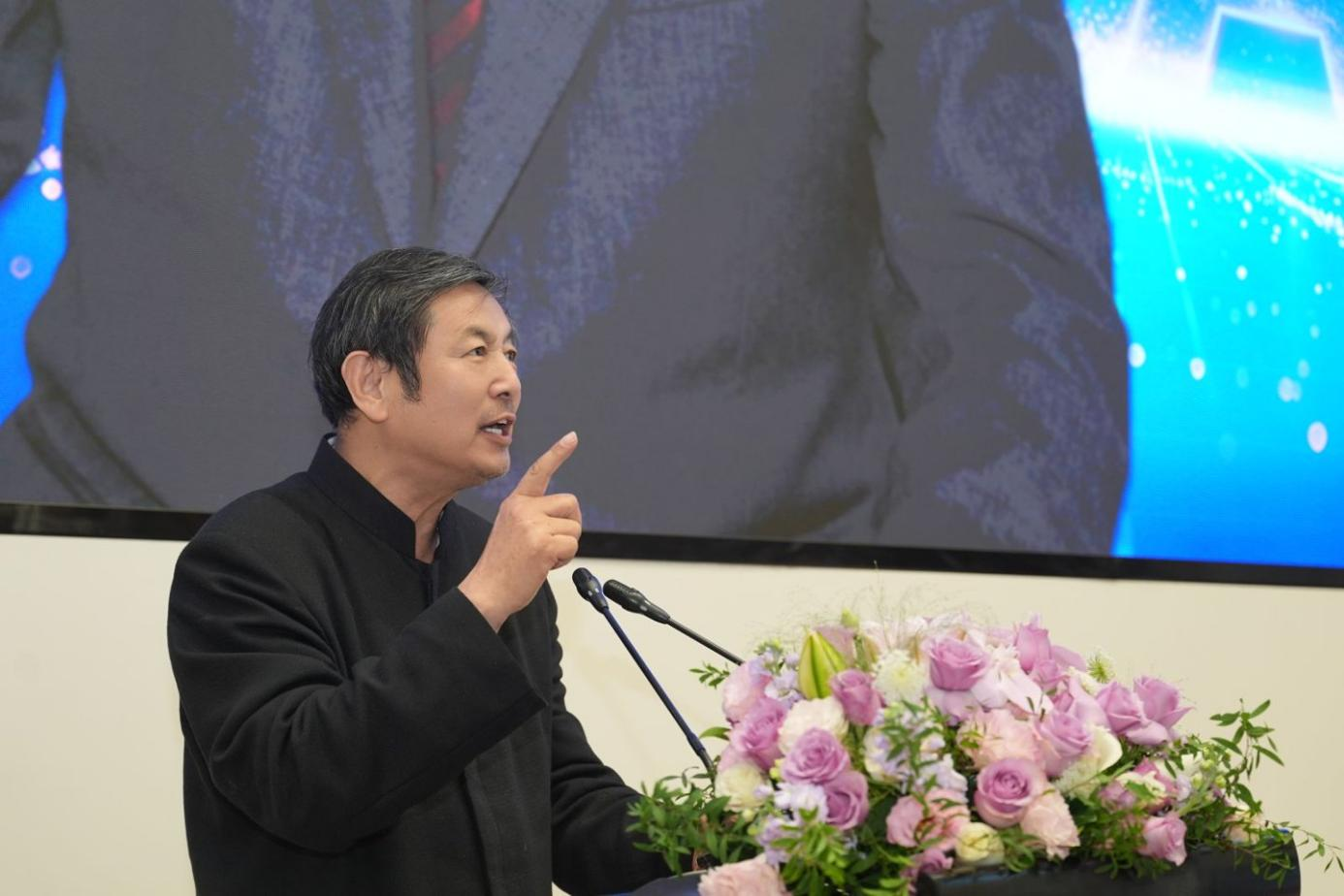
△Founder of Hejun Venture Management Consulting and Executive President of the United Nations Institute for Sustainable Development, Mr. Li Su
Huang Xinping, Standing Committee Member of the Embodied Intelligence Committee of the China Society of Command and Control, gave an on-site presentation titled“Technology Empowerment in the AI Era,”focusing on the most everyday links—lesson preparation, teaching, practical training and evaluation—and, drawing on frontline teaching and professional practice, explained in detail how artificial intelligence can truly enter every link of the classroom.
In his view, AI entering the classroom is not about chasing concepts or riding the latest wave; if teaching remains at the level of knowledge transfer, it will inevitably fall out of step with the real situation of students. What should truly be taught to students are four capabilities: the ability to ask high-quality questions, the ability to distinguish true information from false, the ability to turn AI output into usable results, and the ability to safeguard judgment and responsibility above efficiency.”
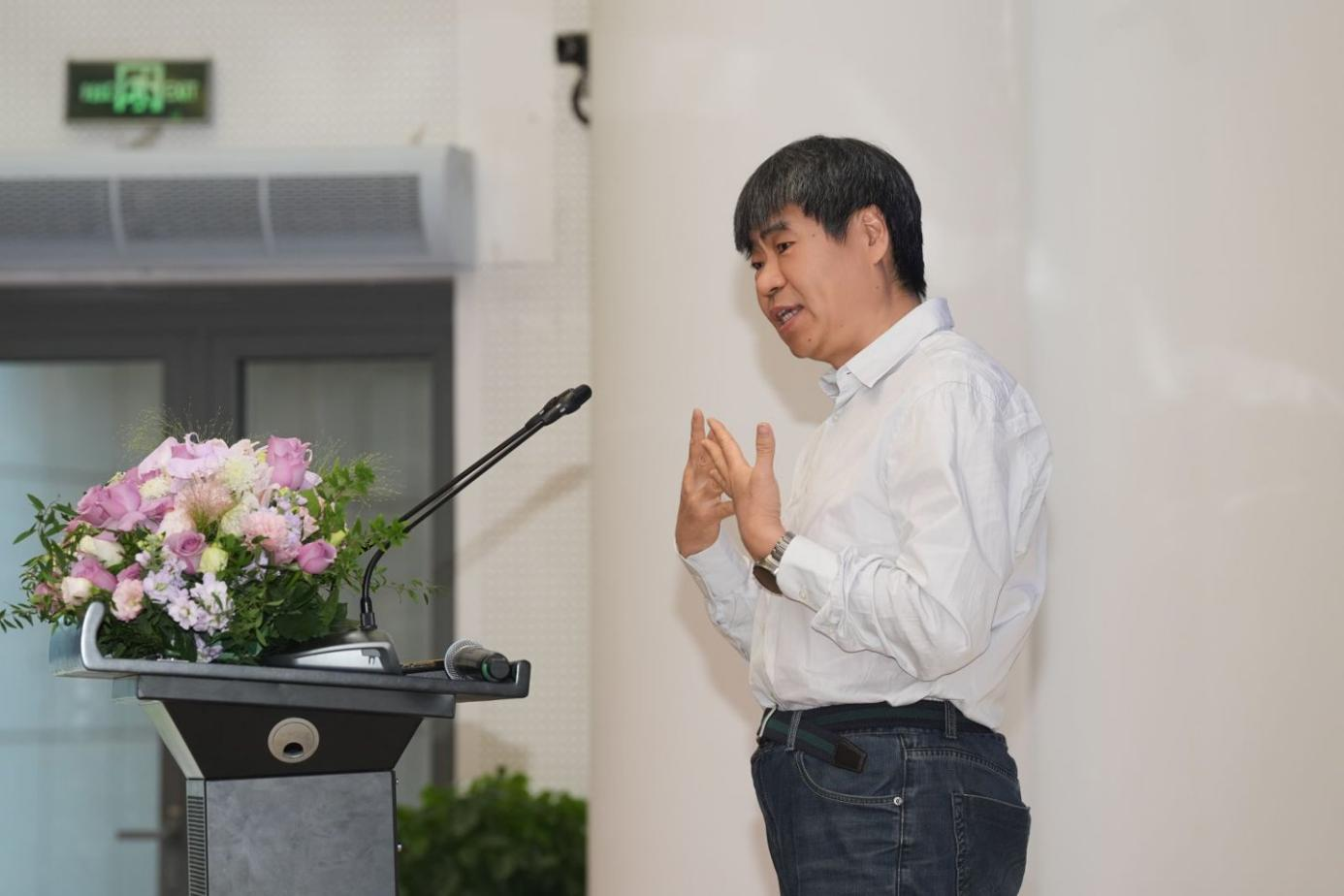
△Standing Committee Member of the Embodied Intelligence Committee of the China Society of Command and Control, Mr. Huang Xinping
Moving the “Graduation Line” Forward: Making AI a Required Course for Every Student
Facing the employment challenge brought by AI, Tianjin Tianshi College’s choice is to“move it forward”: placing AI capability training in the junior and senior years and integrating it deeply with the majors, forming a three-stage progressive path of“exposure—application—mastery”; AI is no longer an isolated elective, but a required course for every student.
“The faster technology changes, the more we must hold fast to the original purpose of educating people.” In her keynote address titled “AI Empowers Technology-Driven Education, Practical Action Cultivates Talent,” President Wang Xiaobo said that empowering teaching reform with technology and orienting talent cultivation toward practical action is intended to help students grow simultaneously in three dimensions — knowledge, capability and character: mastering the tools of the future while also developing the character of doing solid work and daring to take responsibility.
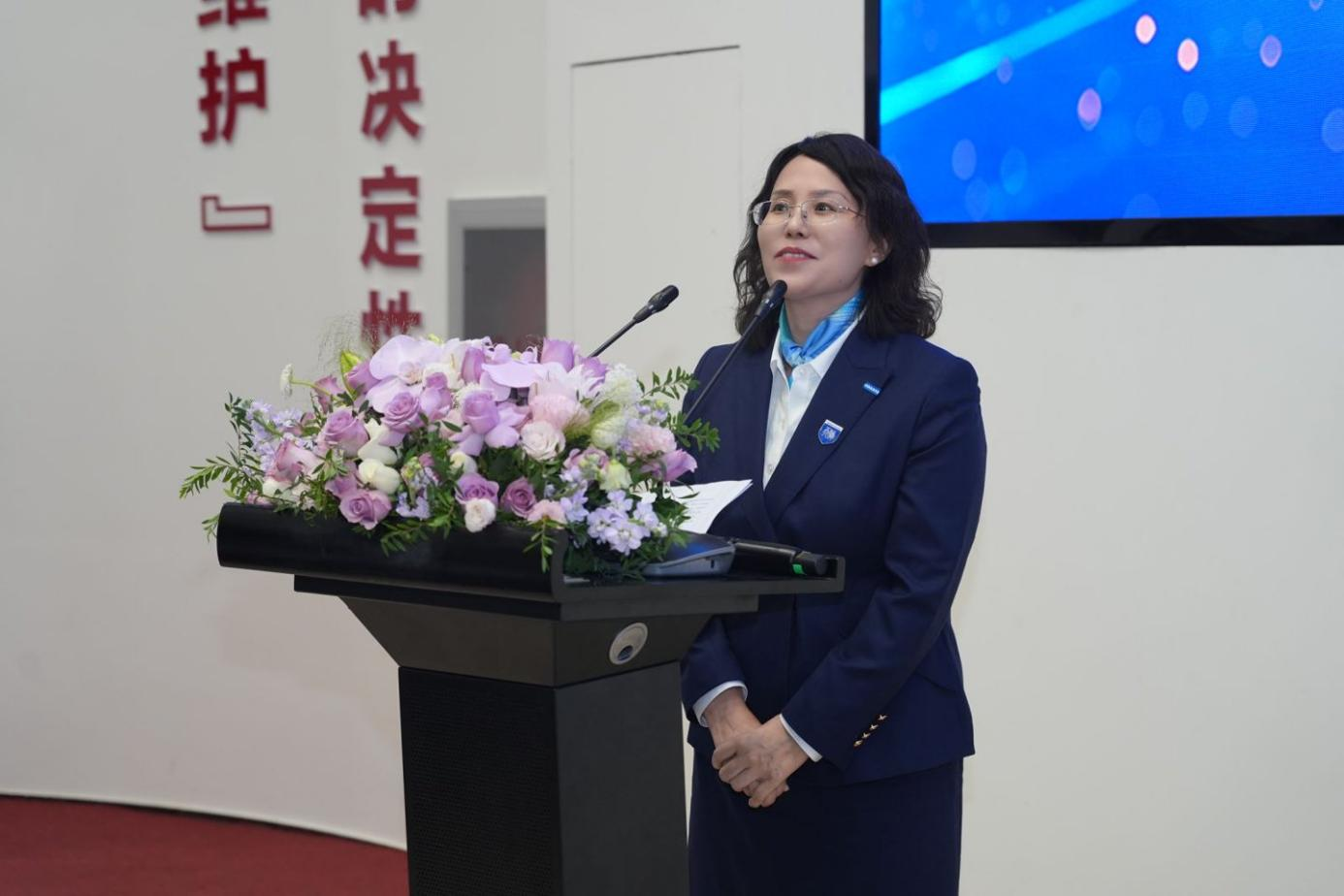
△Ms. Wang Xiaobo, President of Tianjin Tianshi College
From “Employment upon Graduation” to “Entrepreneurship upon Graduation”
More convincing than opinions is the outcome — employment is the most honest yardstick for testing educational reform. Three outstanding graduate representatives have all now joined TIENS Group. They described their gains and growth at work: from waiting to be assigned tasks to actively seeking them out, from internationalized training on campus to real tempering through overseas exchange and cross-cultural settings, and from repeated setbacks to a dual adjustment in mindset and capability.
Relying on TIENS Group’s industrial platform, young people have entrepreneurial opportunities beyond employment. “Employment upon graduation” and “entrepreneurship upon graduation,” elsewhere perhaps merely slogans, are here a path being walked through to the end: capabilities moved forward, scenarios moved forward, and choices moved forward with them.
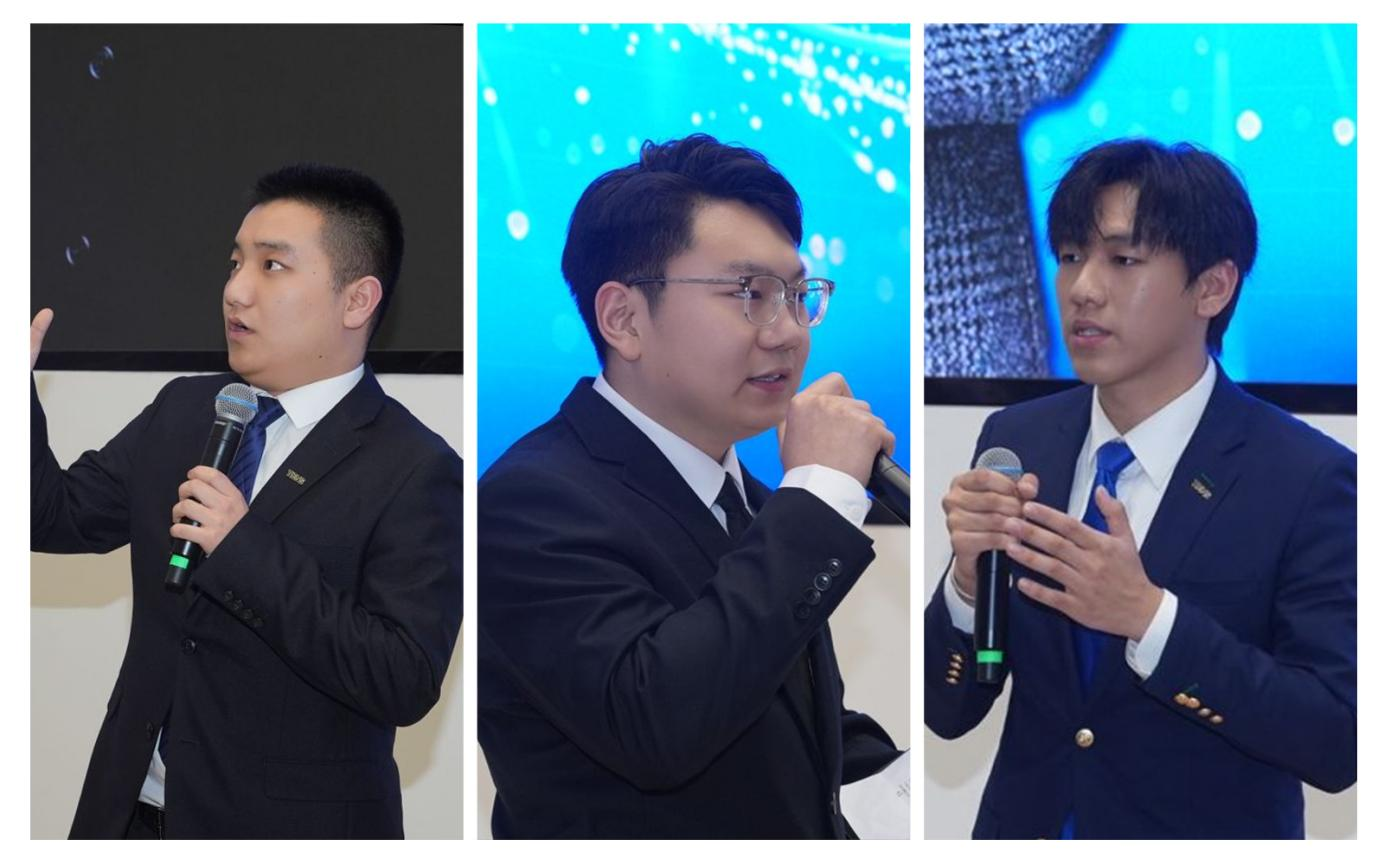
△Outstanding graduate representatives of Tianjin Tianshi College share their experiences
In the closing session, Li Jinyuan, Honorary Chairman of the World Chinese Business Promotion Association, Chairman of the Board of TIENS Group and Founder and Chairman of the Council of Tianjin Tianshi College, delivered an important speech titled“Winning at the Graduation Line.”He restored the“graduation line”from a point in time to a boundary of responsibility: before it, students accumulate knowledge and capability; after it, they must meet long-term challenges with conviction, vision and practical action.
Speaking of the original purpose of founding the College, Chairman Li said:“I still remember, thirty years ago, when I took out the 80 million yuan I had earned through hard work and devoted it to founding Tianjin Tianshi College, everyone said I was foolish and my family did not understand, but I still put the first pot of gold I had earned entirely into education without hesitation. Because I have always firmly believed that the development of a country and a nation depends on talent, and the foundation of talent lies in education.”
In a career of running a school that has spanned decades without pause, he knows best that what a young person often lacks is not ability, but a chance to be lifted up. Chairman Li stressed that founding Tianjin Tianshi College is precisely about leaving this chance to society and to the Chinese people—enabling children from ordinary families across the country to learn a real skill; however far the company goes, its roots and soul will always remain on Chinese soil.
Since its founding in Tianjin in 1992, TIENS Group has spent 34 years building its business across 224 countries and regions worldwide. And in education, he has put all the money earned abroad into running the College. Chairman Li said that he has funded the College from his own pocket and never sought any return, hoping only that students graduating from Tianjin Tianshi College will, when they enter society, stand firm, go far and live better than the previous generation.
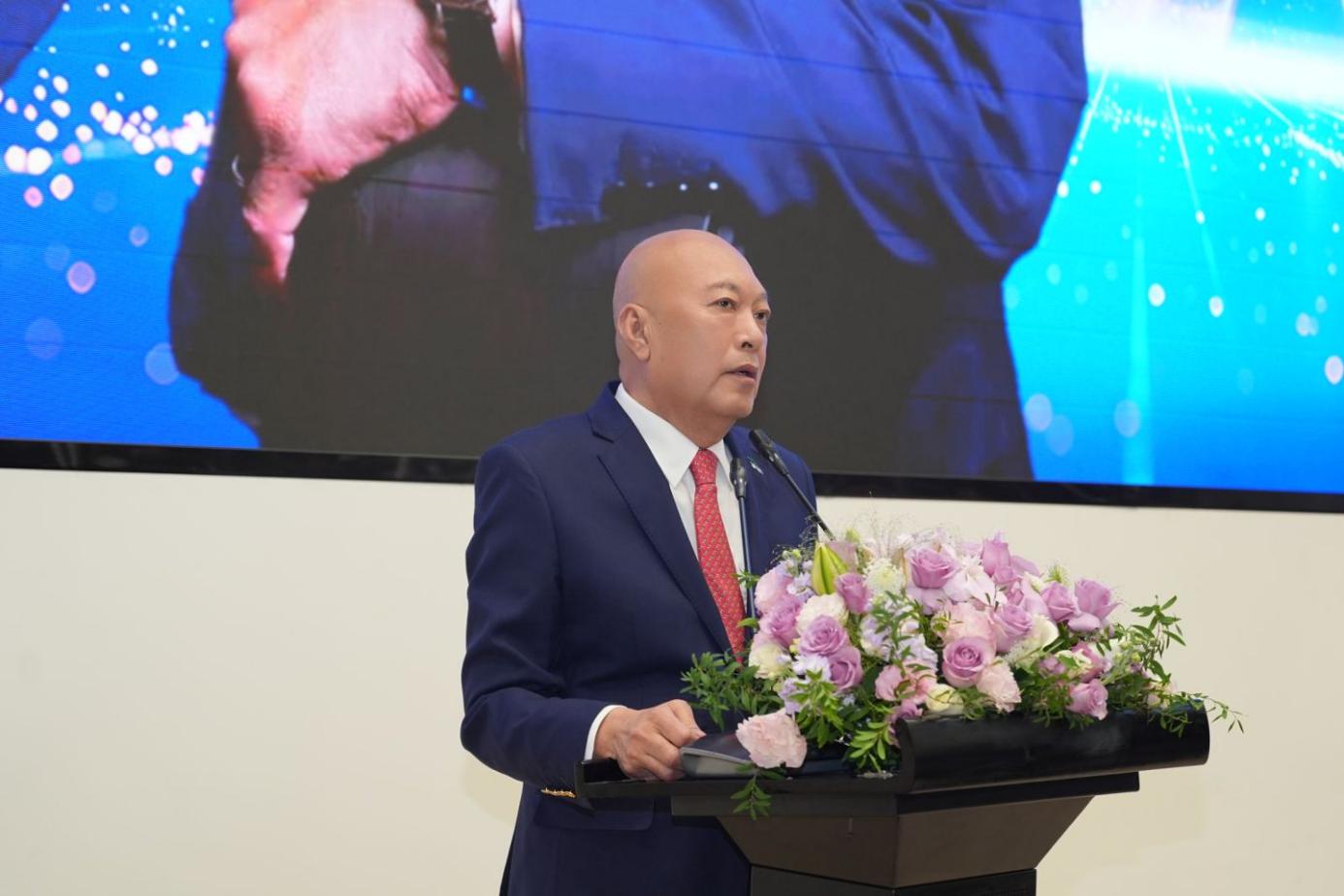
△Mr. Li Jinyuan, Honorary Chairman of the World Chinese Business Promotion Association, Chairman of the Board of TIENS Group and Founder and Chairman of the Council of Tianjin Tianshi College, delivers an important speech
Bring technology into the classroom, industry into the curriculum, and the world into their vision. The mission of a university has never been to predict the future, but to enable students to stand firm in any future. When the technology cycle moves faster than the curriculum cycle, what needs redefining is not only “employable capability,” but also the relationship between the university and its era. What is scarcest in the AI era has never been people who can use tools, but people who can apply tools to real problems and are willing to be accountable for the results. From Tianjin Tianshi College, out into the world. The story that belongs to these young people has only just begun.
About Tianjin Tianshi College
Tianjin Tianshi College is a full-time applied undergraduate university approved by the Ministry of Education. Located in Wuqing District, Tianjin, it is wholly invested in and founded by TIENS Group and is the largest private university in Tianjin. With“Moral Integrity, Utmost Goodness, Practicality and Innovation”as its motto, the College draws on TIENS Group’s business network covering the globe to continuously expand overseas joint programmes and international cooperation and exchange. Its tradition of integrating industry with education and its growth channel connecting to the world form the real foundation for the College’s discussion of“winning at the graduation line”: what it must answer is not only where its own students go, but also the long-term position of applied higher education within the technology cycle.
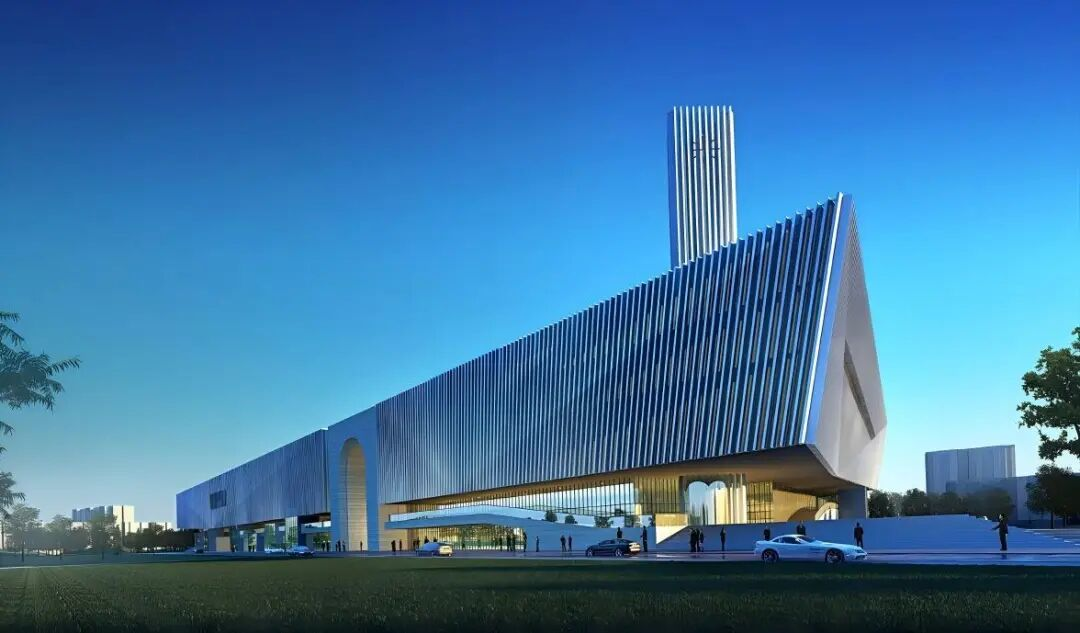
△Tianjin Tianshi College has grown into a modern university integrating industry, academia and research, with complete facilities and a beautiful environment